24/7 Mixtapes
24/7Mixtapes was founded by knowledgeable business professionals with the main goal of providing a simple yet powerful website for mixtape enthusiasts from all over the world.
- Email: [email protected]

Latest Mixtapes




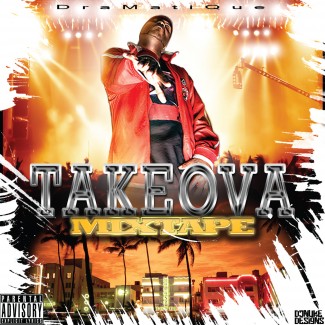

Featured Mixtapes
What You Get With Us
- Fast and reliable access to our services via our high end servers.
- Unlimited mixtape downloads/streaming in our members area.
- Safe and secure payment methods.
Contact Us
Privacy
Terms
DMCA
All Rights Reserved © 2026 The Domain. All rights reserved. Mixtape content is provided for promotional use and not for sale.
All Rights Reserved © 2026 The Domain. All rights reserved. Mixtape content is provided for promotional use and not for sale.